
Focus on what matters. Keep it simple. The right structure makes your data clear, actionable, and easy to improve.
1. Define what matters
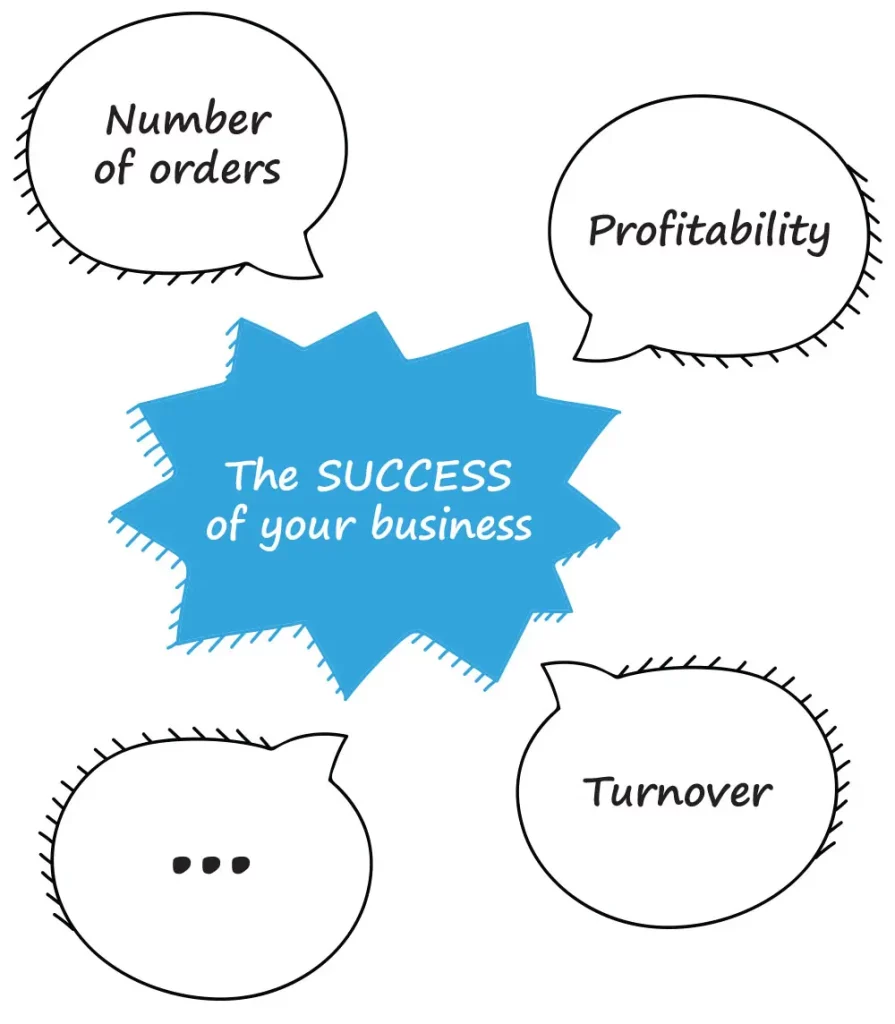
Before collecting data, define what actually drives your business results.
Start with your business outcome (e.g. profit) and break it down into measurable components.
- Number of impressions
- User actions or conversions
- Number of orders
- Average order value
- Revenue and profit
- Time or effort invested
The key is to identify inputs that directly influence your results. Keep it relevant and avoid tracking unnecessary data.
2. Structure your data correctly
Well-structured data is the foundation of meaningful reporting.
Each Record should clearly represent one measurable activity, including:
- Date and time
- Description
- Value
- Record type
- Source (where the data comes from)
Record Types define what you measure. Sources define where it comes from.
Record Types
Examples: “Orders”, “Revenue”, “Ad Spend”, “Leads”.
Record Sources
Examples: “Google Ads”, “Facebook Campaign”, “Email Newsletter”.
A clean structure makes your reports flexible and powerful.
3. Build focused reports
Each report should answer a specific question.
Group only related metrics together. For example:
- Orders
- Revenue
- Average order value
- Profit
Avoid mixing unrelated data — clarity is more important than complexity.
Use sources to compare performance across channels within the same report.
4. Use dashboards for clarity
Dashboards combine related reports into a single, real-time view.
Organize them in a way that reflects your decision-making process.
5. Act on trends
Your data should guide your decisions.
- Declining → something is not working, improve or adjust
- Stagnant → optimize and remove inefficiencies
- Rising → continue or scale what works

Keep it simple. Improve continuously.
Start simple, refine over time, and adapt your setup as your business evolves.
AutoROICalc gives you the flexibility to build your own system — these best practices help you make it effective.